Table of Contents
It means you can make new, better selections and quit coming under old habits. Research shows that familiarizing emotional patterns is a core positive result of therapy. Treatment can not make every one of life's difficulties vanish, however it can help you begin reacting to challenging individuals or situations in healthier, much more efficient ways.
Evolution in treatment is always a favorable sign. It suggests you're enhancing and relocating onward, and it declares that you're being sustained where you are now, not where you were when you began. Attaining your preliminary goals and establishing brand-new ones with your specialist shows real energy in your recovery journey.

Progress in therapy is hardly ever, if ever, linear. This implies things will not constantly happen in a straight line or in a predictable method. You might have problems, regressions, or challenging minutes along the road, however it is necessary to bear in mind that these are component of the procedure, not an indication of failing.
Are you thinking about therapy yet are uncertain just how typically you should participate in sessions? In this short article, we will explore the inquiry: Just how commonly should you attend treatment sessions?
Growth from Performance Anxiety to Self-Love
At Depth Therapy, we provide long-term psychodynamic psychotherapy. The majority of medical professionals concur that attending represents the minimal degree of immersion to see long-lasting effects. The factor is basic: treatment is a method. Just like meditation, yoga exercise, workout, creating, or any type of various other method, it calls for uniformity of immersion with a whole lot of practice to find out and internalize the practice.
This will equip you to choose that feel like your options (not just adjustments to the demands of other individuals). As you learn to identify and navigate the intricacies of your inner globe through of treatment, you will locate higher credibility and creativity in job and in your relationships.
We urge you to talk with one of our therapists to determine the ideal frequency for you. It is likewise essential to acknowledge that, in instances of financial difficulty, a number of our specialists can and will suit a lesser regularity of treatment. We think that it is necessary to satisfy you where you are and to move at the speed you identify, as you start this extensive trip.
Many individuals most likely to treatment as soon as a week, and some could also go two times a week if they are taking care of intense distress or have extensive therapy goals. As they proceed, these sessions might end up being less regular. For those with much less pushing concerns that just go to therapy for ongoing maintenance, bi-weekly and regular monthly sessions are enough.
Healing from Relationship Patterns
There isn't just one variable determining the number of times one need to go to treatment, however various factors that contribute in identifying treatment regularity. These variables can be internal (individual struggles, motivations, and so on) and external (restorative aspects). By recognizing these factors, you will certainly know why your therapist creates a particular schedule and why that timetable is most fit to your healing trip.
In such instances, twice-weekly sessions might be required. Fulfilling the therapist a lot more frequently in the beginning of treatment is often advised. It can be on a regular or biweekly basis, and the factor for this is easy: the much more you meet the specialist, the quicker the restorative bond can be developed.
Restoring Inner Strength for Performance-Driven People
The regularity of treatment sessions also boils down to what therapies are being used. Different treatment strategies have different session regularity suggestions since some can be extensive while others may not be. Psychoanalysis usually requires multiple sessions a week, while psychodynamic treatment (what we supply at Deepness Therapy) may require just regular sessions.
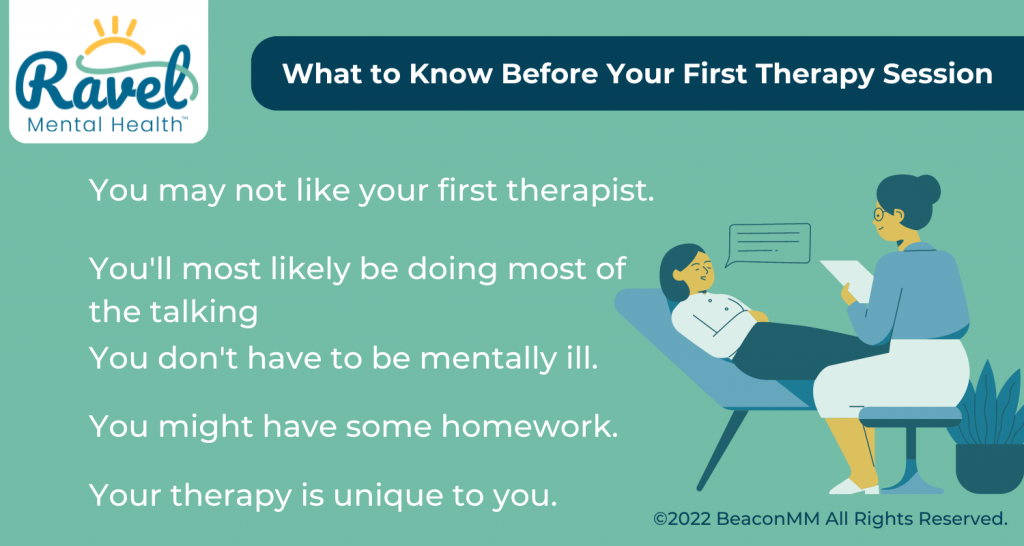
Your budget plan, work routine, individual schedule, and the range between your home and the facility need to all be talked about with your specialist. This is very important for establishing a therapy schedule that maintains you dedicated without adding any unnecessary stress and anxiety. Regardless of the mental health and wellness condition, participating in regular treatment sessions can be valuable for all those that regularly most likely to therapy.
Available Therapy for the Washington, DC Community
When therapy sessions are arranged at a set interval, it enables you and the specialist to create a more powerful alliance, which, subsequently, creates higher rely on less time. This produces a secure room where you can process and discuss your experiences, thoughts, and sensations with your specialist to make sure that they can gain understanding right into your battles.
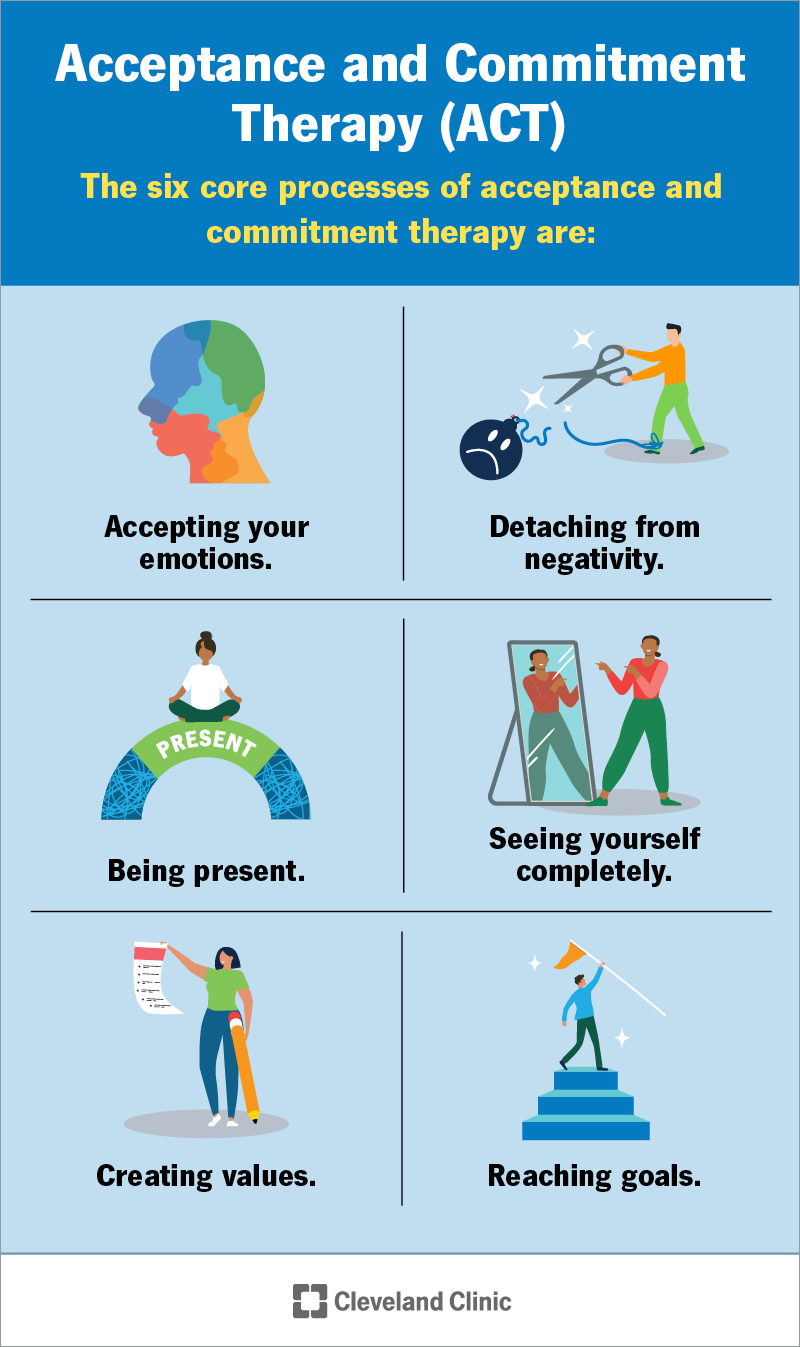
As you fulfill your specialist extra frequently, the possibility of problems going unaddressed, nevertheless little, is low. With consistent regular follow-ups, the therapist can review the progress made and enhance coping devices and brand-new knowings regarded essential for causing enduring adjustments. A therapistclient alliance is established on trust fund, and without routine conferences, it can be difficult to develop that count on.
What Shapes Impactful Therapy Help
When you really feel understood and unconditionally sustained, you can share your ideas, feelings, and has a hard time without reservation. For intimate discussions to flow openly, it is necessary to have a conducive setting where individual expression is not stifled by judgment. One means to develop such a safe space is to fulfill your specialist regularly to review your concerns and discover resolutions while dedicated to you.
It is a crucial element of mental health and wellness care that can have a profound effect on a person's overall wellness. Figuring out will certainly be needed is a continuous process that may need modifications in the process. It is essential to pay attention to indications that indicate the need to boost or reduce the.
Review your concerns with your specialist and discover the possibility of more intensive therapy. If you find yourself experiencing boosted distress, enhanced symptoms, or a worsening of your psychological health and wellness condition, it might show the demand for more regular therapy sessions. Communicate these changes to your specialist to ensure that they can adjust your treatment plan appropriately.

Navigation
Latest Posts
Identity Across Traditional Contexts
What Happens in Treatment Support
Struggles Versus Mismatched Environmental Fit